5 min read
Turkey’s Native Horse Breeds and Their Place in Turkish Culture
From Cappadocia, “the land of beautiful horses”, to the Malakan horses of Kars, ambling Rahvan horses and the game of cirit: Anatolia’s native breeds and the horse in Turkish culture.
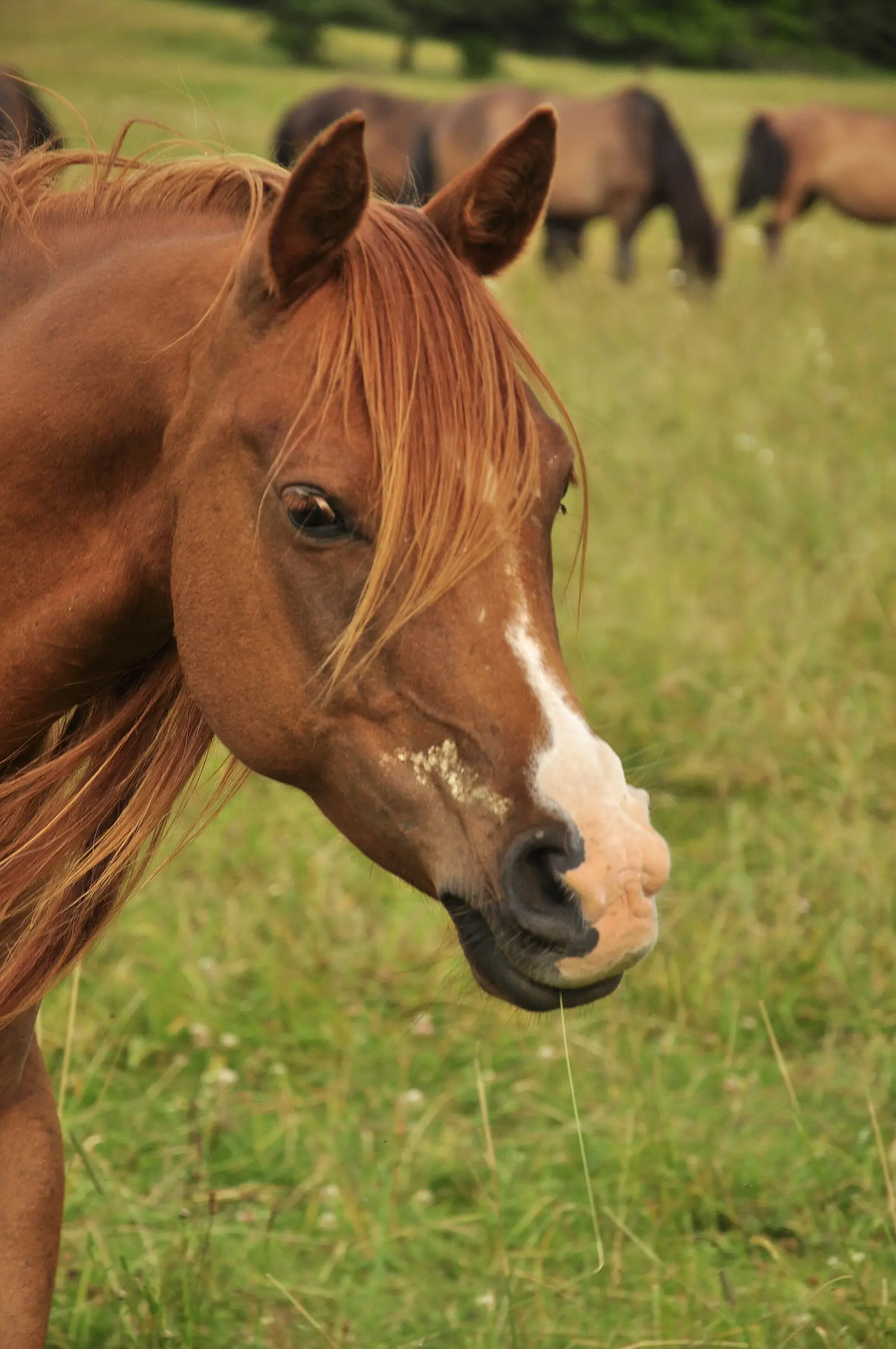
Cappadocia’s name is often said to come from Katpatuka, an old Persian word meaning “the land of beautiful horses”. Ancient writers describe the region sending horses to the Persian kings as yearly tribute. Go back further still and you reach the Hittite capital of Hattusa, where clay tablets attributed to a horse trainer called Kikkuli are counted among the oldest known horse-training texts in the world. In other words, the story of the horse in Anatolia spans thousands of years, and the horses you ride today are part of it.
The horse in Turkish culture
On the long journey from the steppes of Central Asia to Anatolia, the horse was never just a means of transport for the Turks. It was a travelling companion, a partner in battle and a symbol of status. The saying “The horse is the wings of the Turk”, attributed to Mahmud of Kashgar’s 11th-century dictionary of Turkic languages, sums up that bond perfectly. In epic tales, the heroes’ horses are almost as famous as the heroes themselves: Köroğlu’s legendary grey horse Kırat is the loyal friend who saves him in his darkest moments, and horses ride alongside the heroes in the Book of Dede Korkut too.
Turkish proverbs reflect the same affection: “The horse dies, the field remains; the hero dies, his name remains.” The traditional mounted javelin game of cirit is still played in many parts of Anatolia, especially around Erzurum. Horses decorated for village weddings, ambling races and horse displays at festivals are other living traces of this culture.
The free-roaming yılkı horses
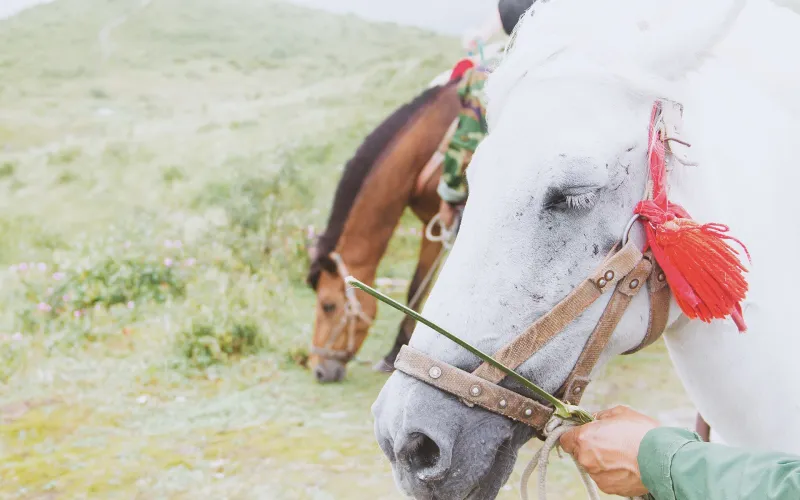
The herds of yılkı horses on the slopes of Mount Erciyes, Cappadocia’s neighbour, and around the Hürmetçi wetlands in Kayseri are part of this culture too. “Releasing to the yılkı” means letting horses go free once their working life is over. Over time these horses form free-roaming herds, and yılkı horses galloping through the reeds on a misty morning have become a favourite subject for photographers.
Anatolia’s native horse breeds
Over the centuries, Anatolia’s varied climates and needs produced very different types of native horse. Some were shaped by mountain paths, some by farm work and some by long journeys.
The Anatolian horse
This is the horse most woven into everyday rural life. Medium-sized, sound-legged, content with little feed and tough on rough ground, it has done everything from carrying loads to helping with the grape harvest, and over time it has often been crossed with Arabians.
Rahvan horses
Rahvan is really the name of a gait: a smooth amble in which the horse moves the front and hind legs on the same side together, barely jolting the rider. Horses with a natural talent for it were prized for long journeys for centuries, and Rahvan races are still held in eastern and central Anatolia today.
The Malakan horse
Bred in the Kars region by the Molokan community who settled there in the 19th century, the Malakan is a big, powerful horse. With its heavy build and calm temperament, it was used for farm work and pulling loads.
The Hınıs and Canik horses
The Hınıs horse from the Hınıs district of Erzurum and the Canik horse from the forested Canik Mountains near Samsun and Ordu are small but extremely hardy mountain horses, used to harsh winters, steep slopes and scarce grazing.
The Uzunyayla horse
Bred on the Uzunyayla plateau in Kayseri, Cappadocia’s neighbouring province, by Circassian communities who settled there in the 19th century, the Uzunyayla is known for its endurance, sure feet and elegant bearing.
The Ayvacık pony
Native to the Ayvacık area of Çanakkale, this small horse is one of Turkey’s most charming native breeds. Its numbers have fallen, and it is now among the breeds under protection.
The Arabian horse in Anatolia
With its fine head, large eyes and stamina, the Arabian has been loved in Anatolia since Ottoman times. Today it plays an important role in Turkey, both on the racetrack and in crossbreeding with native horses. Arabian blood adds agility and elegance to the toughness of the Anatolian horse, which is why you’ll meet plenty of Anatolian and Arabian crosses on riding ranches in the region.
Protecting the native breeds
As tractors and cars spread, the numbers of many native breeds fell quickly. Today some of them are protected by breeders and research institutions under national conservation programmes. Keeping these breeds alive means preserving not just a genetic heritage but also the way of life, the sayings and the traditions that come with them.
The horses at our ranch
Most of the horses at our ranch are Anatolian horses and Arabian crosses. They are calm, reliable animals, used to Cappadocia’s soft tuff trails, hot summers and cold winters. Each has a character of its own: some patient and steady, others curious and full of energy. When you ride with us, remember that you are not just on a horse’s back but riding through a story thousands of years old. You can get to know our horses and our family a little better too.